There’s a specific kind of person who thinks rest is a design flaw.
To them, a spa is a “detour” and a nap is a “defeat.” They are the high-performers. The pioneers. The “hard” people.
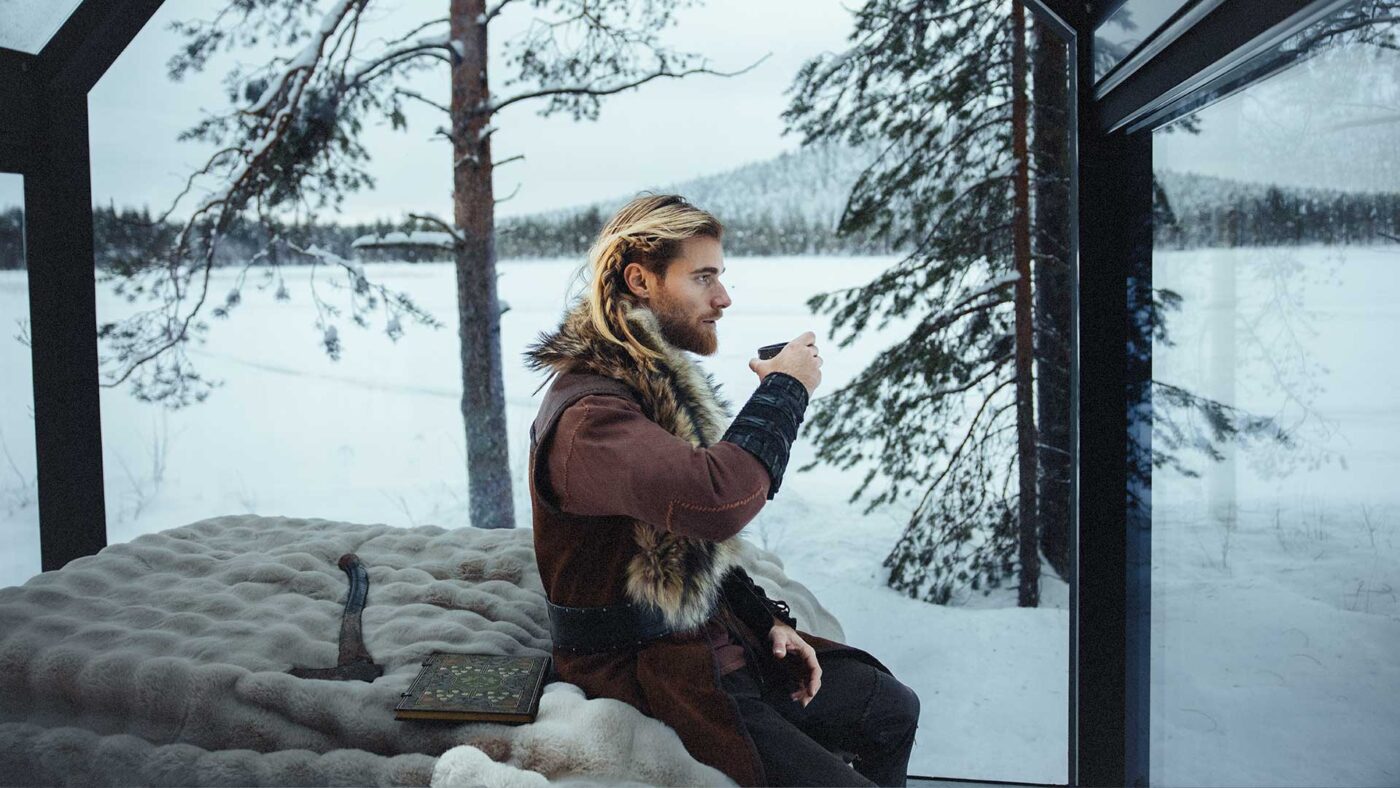
Our uninvited guest, the man who spent yesterday winning a staring contest with a reindeer, is the original blueprint for this persona. He is made of iron and stubbornness. But this morning, we witnessed a shift.
He wasn’t conquering the landscape, he was yielding to it.
Status Report
- Physical state
He still looks like he could headbutt a glacier and win.
But something has shifted, his shoulders have dropped, and the tense, faraway stare is gone.
Now, his focus is fixed on a single snowflake, as if it holds the answer to something important.
- Today’s activity
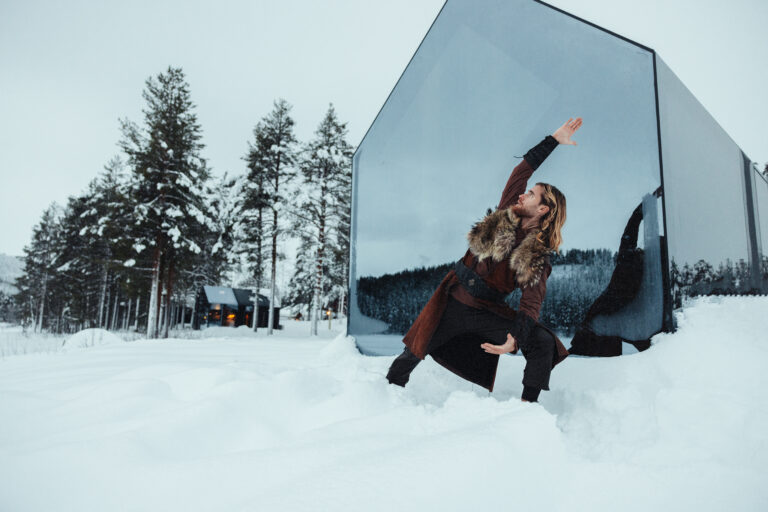
We’re calling it The Warrior’s Stretch.
It’s not yoga. There are no leggings. No upbeat playlist.
Just a man in a fifty-pound cloak reaching toward the sky.
- Social interaction
A guide offered him a foam roller.
He examined it like an unexploded landmine.
After a long pause, he handed it back and leaned against a nearby boulder instead.
In our world, recovery is categorized as “soft.” We’ve turned wellness into an industry of scented candles and gentle whispers. But for someone who has spent a millennium in a state of high alert, “soft” feels dangerous.
The Courage to Soften
In our world, recovery is labeled “soft.” But for someone who has spent a millennium in a state of high alert, “soft” feels dangerous.
What our friend is teaching us is that real recovery is an act of courage.
It takes strength to be the “hardest” person in the room. But it takes an entirely different kind of power to unclench your jaw, put down your shield, and admit the machinery needs to cool down.
He isn’t stretching to be flexible, he’s stretching because iron that never bends eventually snaps.
Even Vikings need to soften. Not to become weak, but to stay strong.